 IFTTT Autopost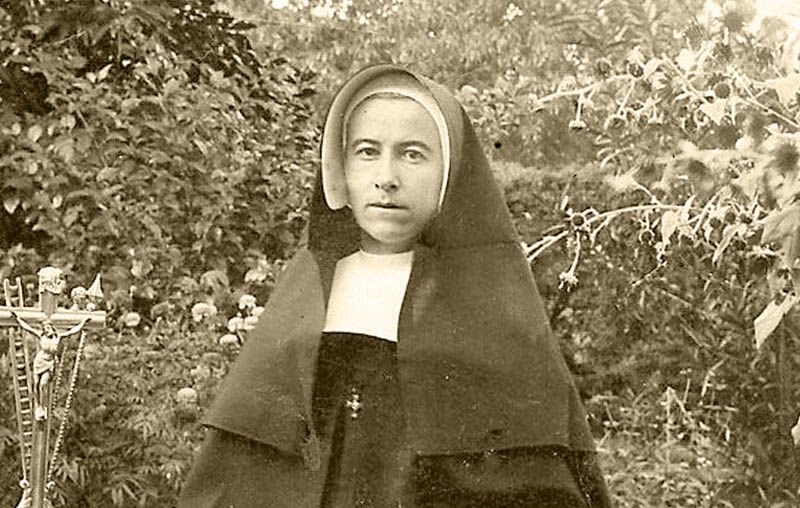
Mary Glowrey was born on June 23, 1887. in Birregurra, Victoria, Australia. Mary was the third of nine children of Edward and Mary, both of whom were Irish descendants.
When she was a child, her family moved to the Victorian communities of Garvoc and then to Watchem. In Berregurra, Edward ran the local general storem and then hotels in Garvoc and Watchem, and his wife was a homemaker.
Mary received a solid education as a child and youth and showed great academic ability. In 1900, for example, she came in fourth out of 800 entrants in the State of Victoria’s secondary scholarship exam. From 1901 to 1904, Mary attended South Melbourne College for four years.
In 1905 Mary received a Bachelor of Arts degree at the University of Melbourne and, in 1906, she studied medicine. She received clinical experience in medicine at St. Vincent Hospital in Melbourne Clinical School and received a Bachelor of Medicine and Bachelor of Surgery in 1910.
In 1919, Mary returned to the University of Melbourne and earned a Doctor of Medicine degree. Her focuses were obstetrics and gynecology (OB-GYN) and ophthalmology
Dr. Glowrey became the first woman physician at Christchurch Hospital in 1911, and a year later, she returned to Melbourne to practice at Queen Victoria Memorial Hospital, Royal Victorian Eye and Ear Hospital, and St. Vincent Hospital.
From 1915 to 1919, Mary live at the Royal Victorian Eye Hospital and found herself filling in for some of the men physicians who had volunteered to help in World War I. It was during this time, in 1916 to be exact, that Mary helped found the Women’s Social Guild and became its first president. But in addition to practicing medicine and leading a women’s social group, she also gave lectures and wrote articles about some of the social and economic problems faced by women of that time and place.
In October of 1915, Mary read a pamphlet about the life of Agnes McLaren, a Scottish physician who was one of the first to give medical assistance to women in India, where cultural custom, and sometimes laws, prevented from men physicians from caring for women patients. This little pamphlet planted a seed in Mary’s head, and she explored it with her spiritual director, a Jesuit priest named William Lockington. Over the next five years, this “vocational seed” grew, and Mary came to believe she was called not only to serve as a physician to women in India, but she was also called to do so as a religious sister.
Mary left Melbourne on January 21, 1920, never to return to Australia. She arrived in Guntur, India on February 12 and joined the Society of Jesus Mary Joseph (JMJ) and became known as Sister Mary of the Sacred Heart.
For the next three decades, Sister Mary provided medical care for thousands of patients. She also helped train women to be midwives and to dispense medicines. In addition, though she had never been to nursing school and was not licensed to practice nursing, she was able to help teach those areas of knowledge that nursing and medicine share. Though she practiced traditional Western (allopathic) medicine, Dr. Mary also studied and used traditional Indian medicines.
The little clinic that Mary founded in Guntur grew to be the Saint Joseph Hospital where Mary was the only physician. She also visited the sick and dying in surrounding villages. For Mary, she always prayed to the Holy Spirit before attempting new endeavors.
In 1943, Sister Mary also founded the Catholic Hospitals Association, later known as the Catholic Health Association of India.
Mary died in Bangalore from cancer on May 5, 1957. In 2021, the Mary Glowrey Museum in Melbourne published her partial autobiography, and on March 27, 2013, she was declared a “Servant of God” in the Catholic Church.